
10 Gut-Friendly Recipes That Support Digestive Health and Prevent Chronic Inflammation
More people today are recognizing the importance of a healthy gut, not just for digestion but for overall well-being. A balanced gut can support your immune system, help manage stress, and even affect sleep and energy levels.
When the gut is out of balance, it can lead to issues like bloating, fatigue, food sensitivities, and ongoing inflammation. These signs are your body’s way of asking for support, and food can be part of the solution.
By choosing recipes made with ingredients that nourish the gut, you’re helping to restore balance in a natural, steady way. In this article, we’ll share 10 simple recipes that support gut health and help reduce chronic inflammation.
What Makes a Recipe Gut-Friendly?
A gut-friendly recipe supports digestion and helps maintain gut microbiomebalance. To support your gut microbiome, focus on ingredients that feed good bacteria and limit those that can irritate your digestive system or disrupt its balance.
Below, you’ll find two quick-reference tables to help you see what ingredients to include more often and what to limit.
Key Ingredients to Look For
These ingredients support the gut naturally. They’re easy to find, and many are probably already in your kitchen.
| Type of Ingredient | Examples | Why It Helps |
| Fiber-rich foods | Oats, lentils, beans, apples, leafy greens | Supports digestion, feeds good bacteria |
| Fermented foods | Yogurt, Kefir, Sauerkraut, Kimchi, Miso | Adds beneficial bacteria (probiotics) to the gut |
| Prebiotic foods | Bananas, garlic, onions, asparagus | Feeds probiotics and helps them grow |
| Anti-inflammatory foods | Ginger, turmeric, cinnamon, olive oil, salmon | Helps reduce gut inflammation |
| Omega-3 fats | Flaxseeds, chia seeds, walnuts, fatty fish | Supports gut lining and reduces inflammation |
| Hydrating foods | Cucumbers, celery, and broth-based soups | Aids digestion and prevents constipation |
Ingredients to Avoid
The worst foods for your gutmay cause irritation, feed harmful bacteria, or throw off the balance in your gut, especially if eaten often. You don’t need to avoid these foods forever, but cutting back on them can make a big difference.
| Type of Ingredient | Examples | Why It May Harm Gut Health |
| Highly processed foods | Packaged snacks, fast food, frozen meals | Often contain additives and are low in fiber |
| Added sugars | Candy, sweetened drinks, flavored yogurts, and sauces | Feeds harmful bacteria, increases inflammation |
| Artificial sweeteners | Aspartame, sucralose, saccharin | May disrupt the balance of gut bacteria |
| Fried foods | Deep-fried snacks, fast food | High in unhealthy fats, hard to digest |
| Refined grains | White bread, white rice, standard pasta | Low in fiber, may spike blood sugar |
| Excess alcohol | Beer, wine, liquor (in large amounts) | Can damage the gut lining and interfere with nutrient absorption |
10 Easy Gut-Friendly Recipes
Adding gut-friendly meals to your week doesn’t have to be complicated. These recipes use simple ingredients that offer realmicrobiome support. They include foods that are rich in fiber, anti-inflammatory nutrients, and natural probiotics, all chosen with your gut health in mind.
To make things more helpful, we’ve grouped these recipes by common needs, such as vegetarian options, anti-inflammatory support, kid-friendly meals, and high-protein ideas.
Gut-Friendly Vegetarian Recipes
Plant-based meals can be especially helpful for gut health because they’re often high in fiber and full of nutrients that support digestion. These vegetarian recipes use whole ingredients that are easy to digest and gentle on the gut.
1. Quinoa & Kale Salad with Apple Cider Vinaigrette
This salad is rich in fiber, plant protein, and natural prebiotics. Apple cider vinegar adds a mild tang while supporting healthy digestion.
Ingredients:
- 1 cup cooked quinoa
- 1 cup chopped kale (massaged with olive oil)
- 1/2 apple, thinly sliced
- 1/4 cup shredded carrots
- 2 tbsp pumpkin seeds or sunflower seeds
- 1 tbsp apple cider vinegar
- 1 tbsp olive oil
- Salt and pepper to taste
How to make it:
- Cook quinoa according to package directions and let it cool.
- Massage the kale with a drizzle of olive oil until soft.
- In a bowl, combine quinoa, kale, apple, carrots, and seeds.
- In a small jar, shake together apple cider vinegar, olive oil, salt, and pepper.
- Pour dressing over the salad and toss to coat.
- Serve fresh or refrigerate for up to 2 days.
2. Cinnamon-Spiced Chia Pudding with Berries
Chia seeds are a great source of fiber and omega-3 fats, both of which support gut health. Cinnamon adds flavor and may help reduce inflammation. This recipe works well as a breakfast or snack.
Ingredients:
- 3 tbsp chia seeds
- 1 cup unsweetened almond milk or other plant-based milk
- 1/2 tsp ground cinnamon
- 1/2 tsp pure vanilla extract (optional)
- 1/2 cup mixed berries (fresh or frozen)
- 1 tsp maple syrup or honey (optional)
How to make it:
- In a jar or bowl, mix chia seeds, almond milk, cinnamon, and vanilla.
- Stir well, then let it sit for 5 minutes. Stir again to prevent clumping.
- Cover and refrigerate for at least 2 hours, or overnight.
- When ready to serve, top with berries and drizzle with maple syrup, if desired.
- Keeps in the fridge for 3–4 days.
3. Roasted Carrot & Chickpea Burgers
These burgers contain plenty of plant-based fiber and prebiotics. Chickpeas support the gut with soluble fiber, while carrots add natural sweetness and antioxidants.
Ingredients:
- 1 cup cooked chickpeas (or canned, drained and rinsed)
- 1 cup roasted carrots (roughly chopped)
- 1/4 cup oats
- 1 tbsp ground flaxseed
- 1 tsp cumin
- 1/2 tsp garlic powder
- Salt and pepper to taste
- Olive oil for cooking
How to make it:
- Preheat oven to 375°F (190°C).
- Roast carrots with a bit of olive oil until tender (about 25 minutes).
- In a food processor, pulse chickpeas, roasted carrots, oats, flaxseed, and spices until well combined but not fully smooth.
- Form into small patties (about 4).
- Heat a skillet with a bit of oil, and cook each patty for 3–4 minutes per side, until golden.
- Serve with a side salad or in a lettuce wrap.
Anti-Inflammatory, Gut-Healing Recipes
Chronic gut inflammation can lead to discomfort and even affect your energy, mood, and immune system. These recipes include ingredients known to help calm inflammation, like ginger, turmeric, and fermented foods, and they’re gentle on digestion. Perfect for when your body needs something soothing and supportive.
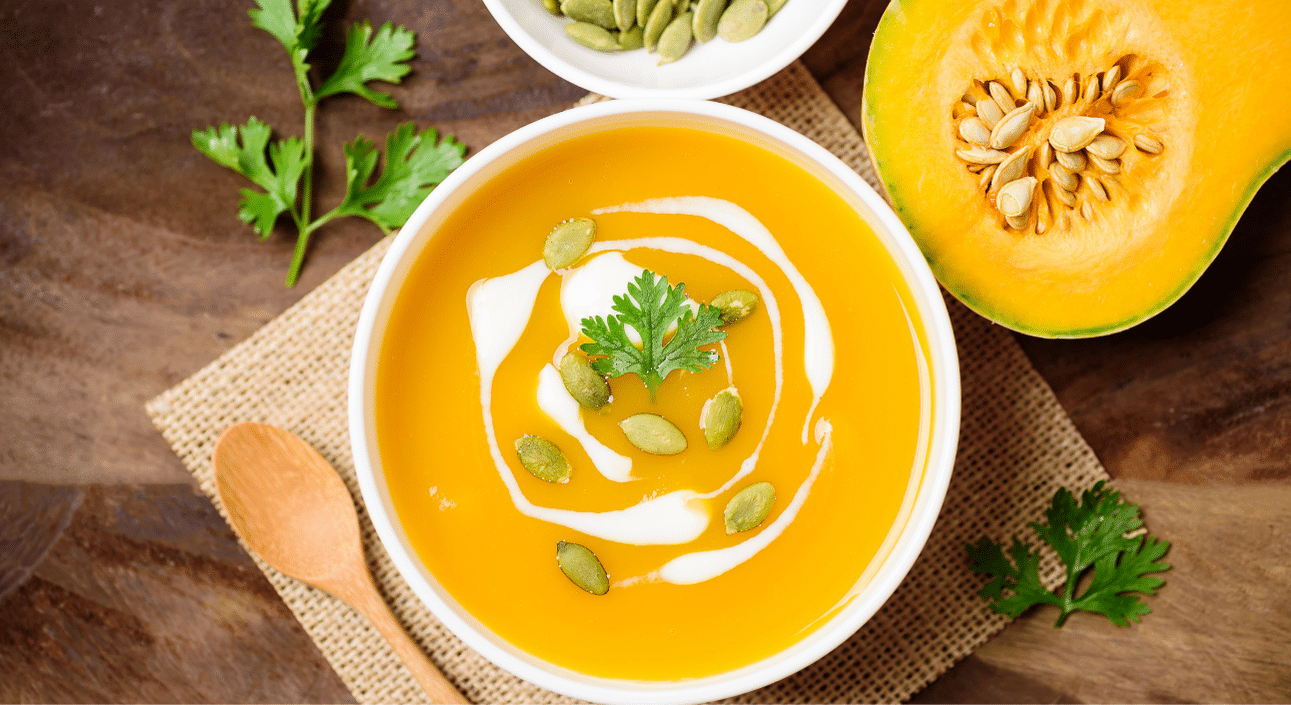
4. Butternut Squash Soup with Coconut Milk & Ginger
This creamy soup is comforting and easy to digest. Butternut squash provides fiber and antioxidants, while ginger and coconut milk support gut healing and reduce inflammation.
Ingredients:
- 1 medium butternut squash, peeled and cubed
- 1 tbsp olive oil
- 1 small onion, chopped
- 2 garlic cloves, minced
- 1 tbsp fresh ginger, grated (or 1 tsp ground ginger)
- 2 cups low-sodium vegetable broth
- 1 cup full-fat coconut milk
- Salt and pepper to taste
- Optional: pinch of cinnamon or turmeric
How to make it:
- In a large pot, heat olive oil over medium heat. Sauté the onion and garlic until soft.
- Add squash and ginger, stir for a minute.
- Pour in broth and bring to a boil. Reduce the heat and simmer for 20 minutes or until the squash is soft.
- Turn off the heat, stir in coconut milk.
- Blend the soup using an immersion blender (or transfer carefully to a blender).
- Season with salt, pepper, and optional spices.
- Serve warm and enjoy.
5. Miso Vegetable Soup with Turmeric
Miso is a fermented food that contains probiotics, while turmeric offers anti-inflammatory benefits. This soup is light, warming, and perfect for supporting your gut during a flare-up or reset.
Ingredients:
- 1 tbsp olive or sesame oil
- 1 clove garlic, minced
- 1 tsp fresh grated ginger
- 1/2 tsp ground turmeric
- 1 small carrot, sliced thin
- 1/2 zucchini, diced
- 1/2 cup shredded cabbage or kale
- 3 cups water
- 1 tbsp miso paste (white or yellow)
- Optional: tofu cubes or cooked brown rice
How to make it:
- Heat oil in a pot and sauté garlic, ginger, and turmeric for 1–2 minutes.
- Add carrots, zucchini, and greens. Cook for 3–4 minutes.
- Pour in water and bring to a simmer.
- Once vegetables are tender, turn off the heat.
- In a small bowl, dissolve miso paste with a bit of warm broth from the pot. Then stir it back into the soup (don’t boil miso, as it kills the probiotics).
- Add tofu or rice if using, and serve warm.
6. Pineapple & Ginger Smoothie with Kefir
This smoothie blends tropical flavor with gut-supportive ingredients. Kefir is a fermented milk drink that’s rich in probiotics, while pineapple and ginger help reduce inflammation and support digestion.
Ingredients:
- 1/2 cup plain kefir (look for unsweetened with live cultures)
- 1/2 cup frozen pineapple chunks
- 1/2 banana
- 1/2 tsp grated fresh ginger (or a pinch of ground ginger)
- 1 tbsp ground flaxseed or chia seeds
- 1/2 cup water or ice for blending
- Optional: dash of cinnamon
How to make it:
- Add all ingredients to a blender.
- Blend until smooth and creamy.
- Taste and adjust with more ginger or cinnamon if desired.
- Enjoy immediately for the best probiotic benefit.
Gut-Friendly Recipes for Kids
Getting kids to eat gut-friendly meals doesn’t have to be a struggle. These recipes are naturally sweet, easy to prepare, and packed with fiber and nutrients that support digestion. They also work well for adults looking for simple, on-the-go options.
7. Banana Ginger Overnight Oats
Banana Ginger Overnight Oats make a gentle, naturally sweet breakfast that’s easy on the stomach. The banana adds prebiotic fiber, and a touch of ginger supports digestion.
Ingredients:
- 1/2 cup rolled oats
- 1/2 banana, mashed
- 1/2 tsp grated fresh ginger or a pinch of ground ginger
- 1/2 cup unsweetened almond or oat milk
- 1 tsp chia seeds
- Optional: dash of cinnamon or a drizzle of honey
How to make it:
- In a jar or container, combine all ingredients and stir well.
- Cover and refrigerate overnight.
- In the morning, give it a quick stir and serve chilled.
- Top with more banana slices or a few berries if you like.
8. Almond Butter Energy Bites with Dates & Oats
These no-bake bites are great for lunchboxes or after-school snacks. They’re rich in fiber, healthy fats, and just sweet enough to keep kids interested.
Ingredients:
- 1/2 cup rolled oats
- 1/2 cup pitted Medjool dates (about 6–7), soaked in warm water for 5 mins
- 1/4 cup almond butter
- 1 tbsp ground flaxseed
- 1/2 tsp cinnamon
- Pinch of salt
How to make it:
- Drain dates and add them to a food processor with the rest of the ingredients.
- Blend until a thick, sticky dough forms.
- Roll into small balls with your hands (about 1 inch wide).
- Store in an airtight container in the fridge for up to a week.
High-Protein Gut-Friendly Recipes
Protein helps your body repair and build tissues, but when it comes to gut health, the source of that protein matters. These recipes use plant-based or fermented ingredients that offer protein while also supporting the gut microbiome.
9. French Lentil Salad with Roasted Garlic & Herbs
Lentils are high in both protein and fiber, making them a smart choice for gut health. Roasted garlic and fresh herbs bring extra flavor without added sugar or processed ingredients.
Ingredients:
- 1 cup cooked French lentils (firm, not mushy)
- 1 tbsp olive oil
- 3–4 garlic cloves, roasted or sautéed
- 1 tbsp chopped parsley or dill
- 1 tbsp lemon juice
- Salt and pepper to taste
How to make it:
- Cook lentils and let them cool slightly.
- In a bowl, mix lentils with chopped roasted garlic, herbs, olive oil, and lemon juice.
- Season to taste.
- Serve warm or chilled. Makes a great side or light lunch.
10. Smoothie Parfait with Kefir, Berries & Flaxseed
This parfait combines gut-loving ingredients. Kefir brings protein and probiotics, while berries and flaxseed offer fiber and antioxidants.
Ingredients:
- 1/2 cup plain kefir (unsweetened, with live cultures)
- 1/2 cup mixed berries (fresh or frozen)
- 1 tbsp ground flaxseed
- 1/4 cup rolled oats or granola (optional)
- Optional: drizzle of honey or pure maple syrup
How to make it:
- In a glass or jar, layer kefir, berries, flaxseed, and oats or granola.
- Repeat layers as needed, depending on your container size.
- Drizzle a little honey if extra sweetness is needed.
- Enjoy immediately or refrigerate for a few hours.
How to Build Your Own Gut-Friendly Meals
Gut-friendly eating doesn’t have to be complicated. You don’t need a special diet or fancy ingredients. What matters most is how you build your plate and the balance of gut-friendly foodsyou choose.
Here’s an easy way to put it into practice:
- Start with vegetables– Fill half your plate with non-starchy veggies like leafy greens, zucchini, or carrots. Lightly cook them if raw veggies upset your stomach.
- Add protein– Use about a quarter of your plate. Good options include lentils, tofu, salmon, or eggs. Choose what works for your body and preferences.
- Include a healthy fat– Add 1–2 tablespoons of healthy fat, such as a drizzle of olive oil, a few avocado slices, or a spoonful of ground flaxseed.
- Choose a smart carb– Add whole-food carbs like roasted sweet potatoes or a scoop of cooked quinoa. These help with energy and fiber intake.
- Add something extra for your gut– Try fermented foods like sauerkraut or a squeeze of lemon juice to help with digestion. You can also sip on ginger tea with your meal.
Frequently Asked Questions About Gut-Friendly Recipes
Is pasta good for gut health?
It depends on the type of pasta. Manufacturers make regular white pasta from refined flour, which is low in fiber and can spike blood sugar. Eating it regularly doesn’t support gut health.
For a better option, try whole-grain, lentil, or chickpea pasta. These contain more fiber and nutrients, which are better for your gut microbiome.
What is the 7-day gut reset?
The 7-day gut reset is a short-term plan that focuses on eating whole foods to support digestion and reduce inflammation. It usually includes:
- High-fiber vegetables
- Fermented foods like yogurt or sauerkraut
- Plenty of water
- No processed food, added sugars, or alcohol.
The goal is to give your gut a break and help restore balance. It’s not a strict cleanse, but a reset using real, nourishing foods.
What are the super six foods for your gut?
The “Super Six” is a list of foods that feed the good bacteria in your gut. They are:
- Whole grains
- Vegetables
- Fruits
- Legumes (beans and lentils)
- Nuts and seeds
- Fermented foods
Including these foods in your meals regularly can help keep your gut healthy and balanced.
Explore More with Integrative Family Medicine
Gut health is just one part of the bigger picture. At Integrative Family Medicine, we take a whole-person approach to care.
Whether you’re looking for support with digestion, energy, or long-term wellness, our team is here to help you feel your best, naturally and intentionally.