
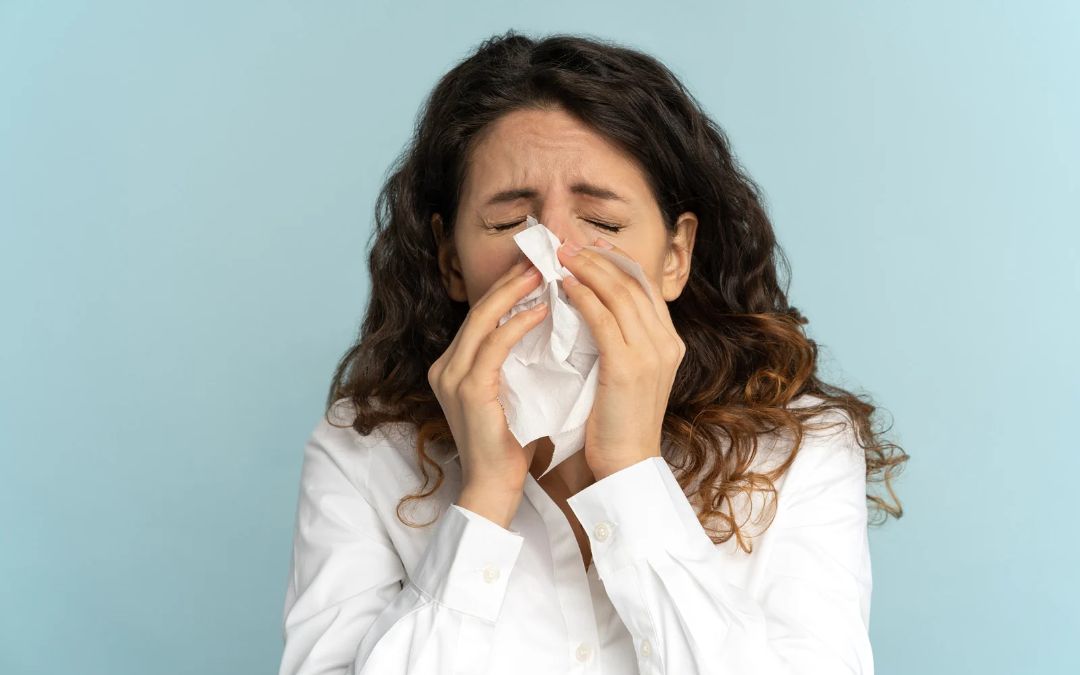
Cooler weather has arrived, bringing cozy sweaters, warm mugs of tea, and holiday gatherings. Unfortunately, it also brings an unwelcome visitor: the flu.
Flu season is upon us so it's a good time to talk about what the flu is, how you can protect yourself and those around you and what to do if you do get the flu.
What is the flu?
Influenza (the flu) is a highly contagious respiratory illness that affects the nose, the throat, and sometimes the lungs. It spreads primarily through the air when an infected person coughs, sneezes, or talks. Symptoms usually appear about two days after exposure, and you can spread the virus before you feel sick.
While most people recover without complications, the flu can be serious, especially for adults 65 and older, young children, pregnant people, and those with chronic health conditions like asthma, diabetes, or heart disease.
Flu or a cold?
The biggest clue is how fast it starts: colds creep in, while the flu hits all at once. Common flu symptoms include:
-
-
-
- Fever or chills (not everyone gets a fever)
- Cough, sore throat, and runny or stuffy nose
- Body aches and headaches
- Fatigue, sometimes severe
- Vomiting and diarrhea (more common in kids)
-
-
Prevention: Everyday Habits
Not glamorous, but these are the everyday steps the CDC recommends: avoid close contact with sick people, cover coughs and sneezes, wash your hands often, improve indoor air quality, and stay home when you're sick.
There's more you can do to support your immune system, too:
Prioritize sleep. Sleep is key to a healthy immune system. Studies have shown that people who sleep five hours or less per night are more prone to respiratory infection. Aim for 7 to 9 hours of quality sleep each night. Sleep may also affect how well your flu shot works. In one study, men limited to 4 hours a night for six nights had roughly half the antibody levels of the well-rested men 10 days after their flu shot. So a few good nights of sleep after your flu shot is a smart move.
Eat for everyday immune health. No single food "boosts" immunity, but a varied diet with plenty of fruits, vegetables, and fermented foods gives your immune system what it needs.
Add moisture to the air. Heated winter air gets dry, and flu seems to like it that way. In one lab study of simulated coughs, flu virus stayed more infectious at 23% humidity or lower than at 43% or higher. Aim for 40–50% humidity indoors. A humidifier can help—just be sure to clean it regularly so you don't end up growing your own little science experiment.
Consider targeted nutritional support. Daily vitamin D may help protect against respiratory infections, particularly in people with low levels. Certain probiotic strains, such as B. animalis, may also offer modest benefits for respiratory health. Drinking (or even gargling with) green tea may slightly lower flu risk; its catechins are being studied for antiviral effects. While the research is still evolving, these can be simple ways to support your overall health alongside other preventive measures like lifestyle and the annual flu vaccine.
Prevention Part 2: The flu shot, honestly
The flu vaccine offers meaningful protection, especially for those at higher risk of complications. It isn't perfect, and effectiveness varies from year to year, but it can reduce your chances of getting sick and, importantly, developing serious complications.
For an early glimpse of how well the vaccine might work here, we can look to Australia, where flu season comes before ours. Early data from Australia's 2026 flu season are encouraging, suggesting a 58% lower risk of flu-related doctor visits and a 35% lower risk of hospitalization among vaccinated people. While U.S. results may differ, these findings are promising.
Think of the flu shot like a seatbelt: it won't prevent every fender bender, but it can make a big difference in the outcome. Vaccination is also one way we can look out for those in our communities who are most vulnerable to serious illness.
A few more things worth knowing:
-
-
- It's updated yearly. Flu viruses change and protection fades. All three components of the 2026–2027 vaccine were updated, including the H3N2 subclade K strain that spread widely last season.
- It's not too late. Protection takes about two weeks to build, and flu often peaks between December and February, so a December shot can still be well timed.
- You have options. There's a nasal spray, enhanced options for adults 65 and older, and even a newly approved mRNA flu vaccine for adults 50 and older. We offer the traditional flu shot, but if you're interested in other options, we're happy to help you find a local pharmacy that carries them.
- What's in it? We stock only thimerosal-free flu shots. Ours are made using eggs, so if you're vegan, ask about egg-free options. An egg allergy isn't a reason to skip, though - according to the CDC, people with egg allergies can safely receive flu vaccines.
-
If you do get sick
Most people with the flu recover at home with rest, fluids, and time. Stay home and avoid close contact with others until your symptoms have been improving for at least 24 hours and you've been fever-free without fever-reducing medicine. For the next five days, take extra precautions, like wearing a mask around others, especially those at higher risk.
Consider testing at home. You can now find rapid home tests that check for both flu and COVID-19, which can cause very similar symptoms. These tests can help you figure out what you're dealing with and whether treatment might be helpful. Just remember that a negative test doesn't completely rule out infection, especially early on.
Don't wait too long to call us. Prescription antiviral medications, like Tamiflu (oseltamivir), work best when started within 48 hours of symptoms. They can shorten illness by about a day, make symptoms less severe, and may reduce the risk of complications. If you're at higher risk because of your age, pregnancy, or a medical condition, reach out as soon as symptoms begin, even if your home test is negative. If you're feeling particularly unwell, symptoms are getting worse, or you're simply unsure what to do, we're here to help.
Support recovery naturally. Nourishing foods, plenty of fluids, and restorative rest are the foundation of recovery. Natural remedies may also offer support. Elderberry syrup/extract has shown some efficacy for shortening upper respiratory symptoms associated with the flu; short-term use of zinc may shorten cold symptoms by about 3 days when started within 24 hours of symptom onset (though its benefits for the flu are less clear); honey is an effective way to soothe coughs (safe for people over the age of 1); and saline nasal rinses can help clear mucus and reduce postnasal drip, which may also relieve throat irritation and reduce the need for other symptom-relief medications. Have questions about what's safe or worth trying? Just ask us.
When to get care right away
For severe symptoms, call 911 or go to the emergency department.
In adults: trouble breathing or chest pain; persistent dizziness, confusion, or difficulty staying awake; severe weakness, muscle pain, or little or no urination; or a fever or cough that improves, then returns or worsens.
In children: fast or difficult breathing, bluish lips, or ribs pulling in with breaths; unusual sleepiness, confusion, or seizures; severe muscle pain or refusal to walk; no urination for 8 hours; fever above 104°F that doesn't respond to medication, or any fever in a baby under 12 weeks; or a fever or cough that improves, then returns or worsens.
These lists don’t cover every warning sign, so remember to trust your gut -- and to call or message us with any questions or concerns.
An integrative approach
Integrative care means looking at the whole person, not just the virus. At Integrative Family Medicine, we believe in using every good tool available, from healthy habits and natural remedies to vaccines and antiviral medications. We're here to share what the evidence shows, be honest about what we don't yet know, and help you make informed decisions that align with your needs and values.
Have questions? Reach out through the patient portal or schedule a visit.

This blog post was written by Jess VanRegenmorter, APRN, DNP, FNP-C, LMBT, a medical provider at Integrative Family Medicine. You can read more about Jess in her bio.
Sources:
Australian Centre for Disease Control, Australian Respiratory Surveillance Report, 7–20 September 2026; Baker Heart and Diabetes Institute, Food and Your Immune System.Brown University Health;Benefits and Harms of Herbal Medicine for Preventing and Treating Acute Respiratory Infections;CDC, About Flu; CDC, Signs and Symptoms of Flu; CDC, Flu Treatment; CDC, Flu Vaccine Key Facts; CDC, 2026–2027 Flu Season;Grohskopf LA, Blanton LH, Ferdinands JM, et al. Prevention and Control of Seasonal Influenza With Vaccines: Recommendations of the Advisory CommitNewYork-Presbyterian; JAMA; Johns Hopkins Medicine; JAMA, 2016, Association of Insufficient Sleep With Respiratory Infection Among Adults in the United StatesCDC, Flu Vaccines and People with Egg Allergies; Noti et al., "High Humidity Leads to Loss of Infectious Influenza Virus from Simulated Coughs," PLoS ONE, 2013; Reiman et al., classroom humidification study, PLoS ONE, 2018; Spiegel, Sheridan & Van Cauter, "Effect of Sleep Deprivation on Response to Immunization," JAMA, 2002; tee on Immunization Practices – United States, 2025–26 Influenza Season. MMWR. 2025.Noti JD, et al. High Humidity Leads to Loss of Infectious Influenza Virus from Simulated Coughs. PLoS ONE. 2013. ·Sur DKC, Khoo CP. Influenza: Prevention, Diagnosis, and Treatment. American Family Physician. 2026. UT Southwestern; Uyeki TM. Influenza. Annals of Internal Medicine. 2021. ·White EB, Grant L, Mak J, et al. Influenza Vaccine Effectiveness Against Illness and Asymptomatic Infection in 2022–2023: A Prospective Cohort Study. Clinical Infectious Diseases. 2025.Vaccinate Your Family;Zhu Z, Zhu X, Chu Y, Zhang B, Chen Y. Comparative Effectiveness of Oral Nutritional Supplements in Preventing Respiratory Tract Infections Among Adults: A Systematic Review and Network Meta-Analysis. EClinicalMedicine. 2025.